Discovering the Benefits of Heat Recovery Ventilation for Power Effectiveness in Homes
Heat Recovery Ventilation (HRV) systems use house owners a practical strategy to improving power effectiveness. By reclaiming heat from outbound air, these systems can substantially lower heating & cooling prices. Additionally, they supply a stable supply of fresh air, enhancing interior air quality and comfort levels. As property owners think about sustainable options, understanding the nuances of HRV systems ends up being significantly crucial. What elements should one evaluate before making such an investment?
Comprehending Heat Recovery Ventilation Systems
How HRV Enhances Indoor Air Top Quality
Energy Cost Savings: The Monetary Benefits of HRV
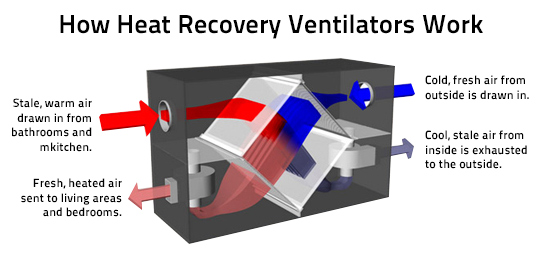
Taking full advantage of power performance, heat recovery ventilation (HRV) systems offer considerable financial advantages for homeowners. By recouping and reusing heat from exhaust air, HRVs substantially lower heating & cooling prices. This innovation can bring about power financial savings of as much as 30%, depending upon environment and use patterns. Home owners commonly notice lowered energy costs quickly after setup, making HRVs an economically wise investment with time. Additionally, lots of areas give rewards or discounts for energy-efficient upgrades, even more boosting the monetary appeal. As energy costs remain to increase, the cost-effectiveness of HRVs becomes increasingly clear. In general, the consolidation of HRV systems not only promotes power effectiveness yet additionally adds to lasting monetary cost savings for households.
The Ecological Effect of Heat Recovery Ventilation
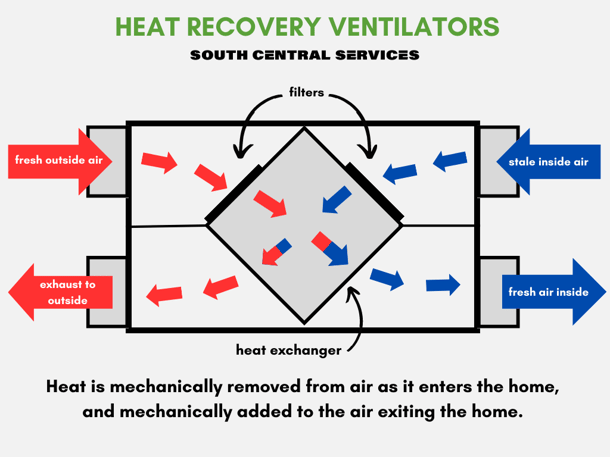
A substantial environmental advantage of heat recovery ventilation (HRV) systems copyrights on their ability to decrease overall energy consumption. By reclaiming warm from article exhaust air and moving it to inbound fresh air, HRV systems reduce the need for energy-intensive home heating and cooling down approaches. This reduction in energy demand adds to reduce greenhouse gas exhausts, as much less nonrenewable fuel source is required to preserve comfortable indoor temperature levels. Additionally, HRV systems improve interior air quality by effectively exchanging stale air with fresh outside air, reducing reliance on mechanical cooling systems that can hurt the atmosphere. Generally, the execution of HRV systems supports sustainable living methods and straightens with international initiatives to fight environment adjustment by advertising energy performance in household setups.
Picking the Right HRV System for Your Home
How can home owners assure they select the ideal heat recovery ventilation (HRV) system for their demands? They need to evaluate their home's dimension and layout, as these factors affect air movement requirements. Next off, reviewing the system's performance ratings is vital, as higher scores indicate better performance and power savings. Property owners need to also consider setup and maintenance prices, contrasting various brands and models for worth. Furthermore, it is essential to review sound degrees, as some systems run more silently than others. Consulting with cooling and heating specialists can supply advice customized suggestions based on details home conditions. Finally, checking out individual reviews and guarantees can aid in making an informed choice, making sure that the picked HRV system successfully boosts indoor air quality and energy performance.
Frequently Asked Concerns
How Often Should I Clean or Maintain My HRV System?
The frequency of cleaning or preserving a warmth recuperation air flow (HRV) system typically depends on usage and environmental elements. Typically, it is suggested to perform maintenance every six months to ensure peak performance and air high quality.

Can HRV Solutions Aid Lower Moisture Degrees Inside?
HRV systems can effectively decrease interior moisture degrees by trading stale, moist air with fresh, drier air from outside. HRV Heat Recovery Ventilation. This process aids preserve a well balanced interior setting, enhancing comfort and preventing moisture-related problems
What Is the Lifespan of a Normal HRV System?
The lifespan of a common heat recovery ventilation (HRV) system varies, generally lasting in between 10 to 15 years. Normal maintenance can extend its efficiency and functional life, making sure peak performance throughout its usage duration.
Exist Any Sound Interest In HRV Systems?
Sound worry about HRV systems can develop, especially from follower operation. Several contemporary systems are designed to lessen sound levels, ensuring they operate silently while keeping effectiveness, which attends to possible disruptions in living atmospheres.
Can I Set Up an HRV System Myself, or Do I Need a Professional?
The specific contemplated whether to mount the heat recovery ventilation learn this here now (HRV) system directly or work with a specialist. Normally, while DIY installment is possible, know-how assurances correct capability and compliance with neighborhood building ordinance, enhancing system efficiency.